
Hydrogen Charging
The need for EV charging stations rises along with the development of electric vehicles (EVs). EVs are economical and environmentally beneficial, but they need to be charged frequently. This guide will go over the many kinds of EV charging stations, including those that use hydrogen fuel, and how they operate.
Types of Carbon-Free EV Charging
EV charging stations come in three varieties: Level 1, Level 2, and Level 3. The charging procedure is different with hydrogen-powered electric vehicles, however.
Charging stations for hydrogen-powered electric vehicles: The electric motor in hydrogen-powered EVs is powered by electricity produced by a fuel cell within the car. Hydrogen-powered electric vehicles (EVs) require compressed hydrogen gas to replenish rather than plugging into a charging station like conventional EVs do.
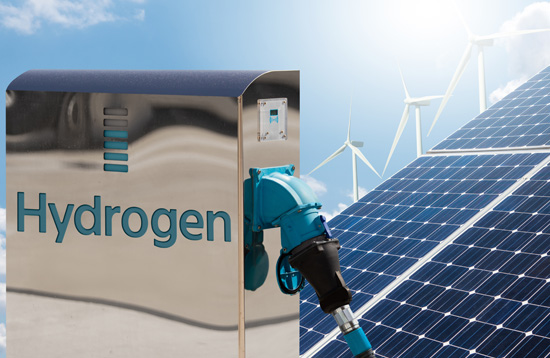
Hydrogen-powered EV charging stations employ a dispenser to dispense compressed hydrogen gas into the vehicle’s fuel tank. It takes only 5 minutes to complete, which is far quicker than charging an EV battery. However, there are presently fewer fueling stations present and less hydrogen-powered charging stations than conventional EV charging stations.
An In-depth Look At Hydrogen Powered EV Stations
A specific sort of charging infrastructure for hydrogen fuel cell electric vehicles is hydrogen-powered EV charging stations (FCEVs). FCEVs produce electricity from compressed hydrogen gas using a fuel cell, which is then utilised to drive an electric motor. FCEV fuel tanks may be safely and effectively filled with compressed hydrogen gas using hydrogen-powered EV charging stations.
FCEVs are refuelled at hydrogen filling stations, as opposed to conventional battery electric cars (BEVs), which call for plug-in charging stations. These facilities use a dispenser to quickly and efficiently fill the vehicle’s fuel tank with compressed hydrogen gas. As a result, refilling FCEVs is significantly quicker than charging BEVs, which, depending on the type of charging station and the size of the battery, can take anything from a few hours to several days to fully charge.
There are two varieties of hydrogen-powered EV charging stations: 350 bar and 700 bar stations. One bar, which represents atmospheric pressure at sea level, is used to measure pressure. While 700 bar stations deliver hydrogen at a greater pressure of 700 bar, 350 bar stations do the opposite. The FCEV’s fuel tank can store more hydrogen thanks to the higher pressure, extending the vehicle’s range.
In comparison to conventional BEV charging stations, there are currently less hydrogen fuelling stations available. In contrast, there are plans to increase the number of hydrogen filling stations, especially in places like California and Japan where FCEVs are widely used. To assist the adoption of FCEVs, certain significant automakers, such as Toyota, Honda, and Hyundai, have also made investments in developing their own hydrogen fuelling infrastructure.
Compared to conventional BEV charging stations, hydrogen-powered EV charging stations provide a number of benefits. Due to the fuel cell’s reduced size compared to the battery in a BEV, FCEVs can provide longer driving ranges and lighter weight in addition to quicker refilling times. FCEVs are a zero-emission mode of transportation because they only release heat and water vapour.
The Benefits of Using Hydrogen Powered EV Charging Stations
- Fast Refuelling: While BEVs might take several hours to charge, FCEVs can be refuelled in just a few minutes. This is because, in contrast to batteries, hydrogen fuel cells can produce electricity on demand.
- Long Driving Range: Compared to BEVs, FCEVs offer longer driving ranges. Depending on the vehicle and driving circumstances, a single hydrogen tank can give a driver a driving distance of up to 300 miles. This makes long-distance travel with FCEVs a possibility.
- Zero Emissions: FCEVs are a zero-emission mode of transportation because their only byproducts are heat and water vapour. As two key environmental concerns, air pollution and greenhouse gas emissions, this can aid in their reduction.
- Lightweight: Because the fuel cell and hydrogen tank weigh a fraction of a battery with an equivalent capacity, FCEVs are lighter than BEVs. This could enhance the car’s handling, performance, and energy efficiency.
- Energy Security: Hydrogen can be produced from a variety of sources, including renewable energy sources like solar and wind power. This can help reduce dependence on imported oil and improve energy security.
In comparison to conventional BEV charging stations, hydrogen-powered EV charging stations have a number of advantages, including quick recharging, a long driving range, zero emissions, light weight, and energy security. These advantages make FCEVs a desirable alternative for customers looking for a green and effective means of transportation.
Can You Install Hydrogen EV Charging Stations At Home?
The number of household hydrogen EV charging stations for residential use is still somewhat limited. The majority of hydrogen fuelling stations are too big and expensive for home usage because they were built for fleet or business use.
However, several businesses are attempting to create more compact and reasonably priced hydrogen refuelling facilities for residential usage. The electrolysis technique, which divides water into hydrogen and oxygen with the help of electricity, would be used at these stations to manufacture hydrogen locally. After that, the hydrogen gas is compressed and kept in storage for usage in FCEVs.
While still in the early phases of research, these on-site hydrogen production systems have the potential to increase consumer access to FCEVs by enabling them to be refuelled at home. This could speed up the adoption of FCEVs in the future by providing a convenient and dependable source of hydrogen fuel.
It’s vital to keep in mind that setting up a hydrogen fuelling station needs specific tools and knowledge and might not be practical for all homes. Additionally, a residential hydrogen fuelling station will probably cost more than a standard BEV charging station. But if the technology develops and becomes more generally accessible, it might be a good choice for people who want to move to FCEVs.
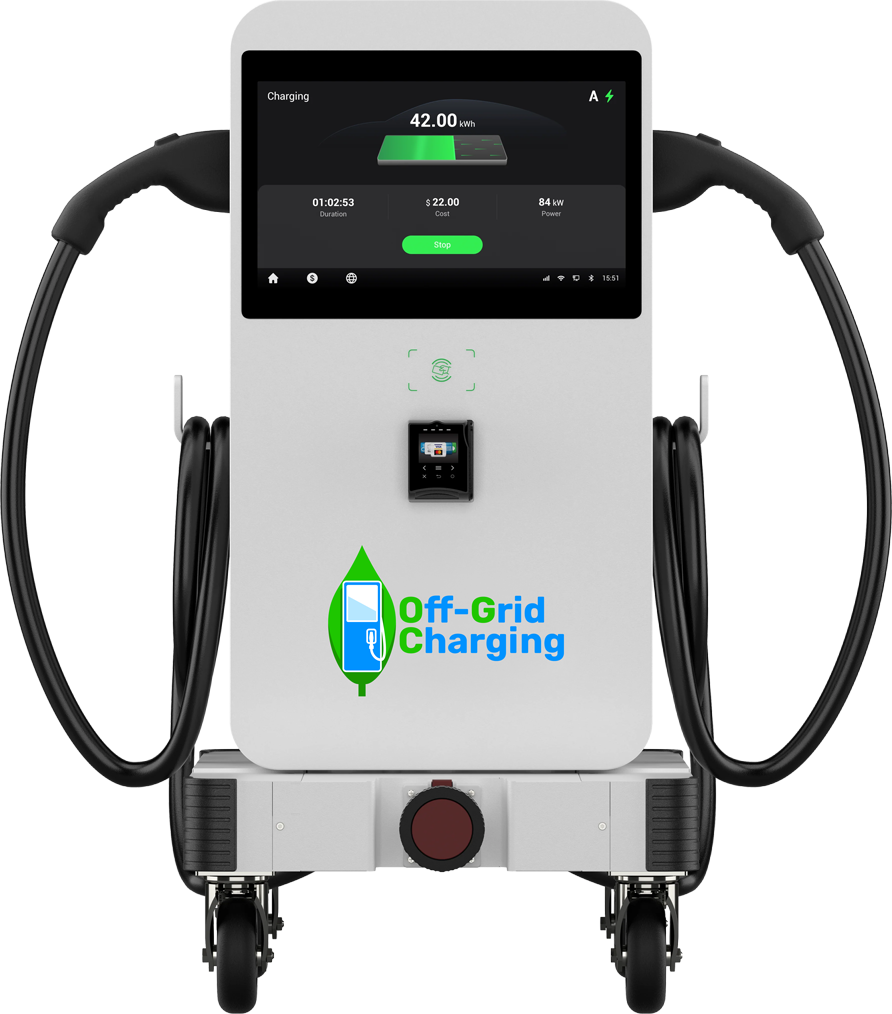
Are Hydrogen EV Charging Stations The Way Forward?
EV charging stations are essential for the growing number of EV owners, including those who drive hydrogen-powered EVs. By understanding the different types of charging stations and how they work, we can better understand how to make hydrogen EV charging stations more accessible to the public.